11kV vs 33kV Overhead Line Equipment: What Changes in the Supply Package?
Compare the typical structures, conductors, insulation, protection and transformer interfaces used in 11kV and 33/35/36kV overhead distribution projects.
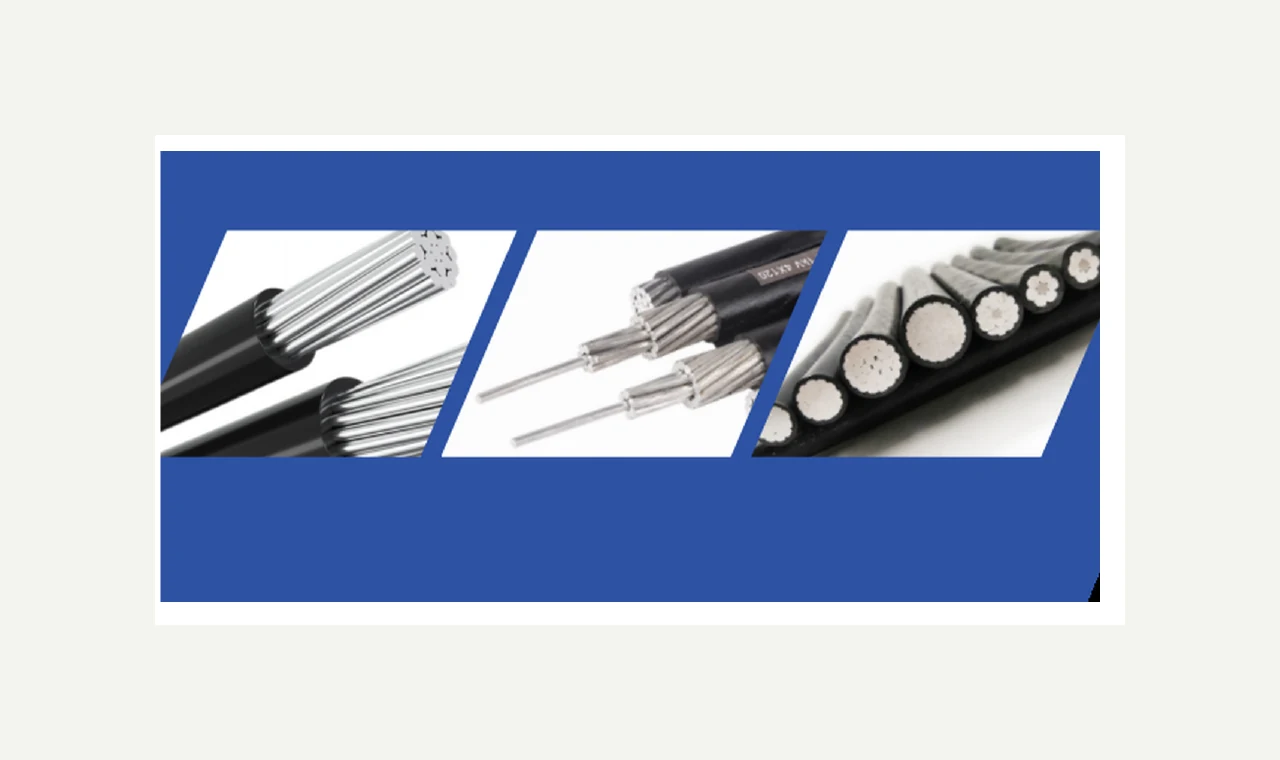
What equipment is required for an 11kV or 33kV overhead distribution line project?
An 11kV package usually uses lighter distribution structures, 12kV-class accessories and 11/0.4kV transformers. A 33kV project normally requires a 36kV equipment class, higher insulation levels, stronger structures and fittings, plus 33kV protection, switching and cable-transition equipment. The final package must follow the utility specification rather than nominal voltage alone.
Why nominal voltage is only the starting point
The nominal system voltage identifies the network class, but product selection also depends on the highest equipment voltage, insulation coordination, short-circuit duty, conductor system, pollution level and local utility practice.
- Confirm whether a 33kV network specifies 36kV or 40.5kV equipment.
- Check lightning impulse withstand and power-frequency withstand requirements.
- Use the approved pole schedule and structure drawings to size hardware.
What normally changes from 11kV to 33kV
The conductor may remain in a similar material family, but mechanical loads, clearances, insulator length, line fittings, protection equipment and cable interfaces usually change. A supplier should therefore re-coordinate the complete assembly instead of scaling an 11kV list item by item.
For the lower-voltage package, review the 11kV overhead line material list before quotation.
- Insulator and arcing-distance requirements increase.
- Crossarm geometry and pole-top clearances change.
- Fuse cutouts, arresters, switches and cable accessories move to the appropriate equipment class.
- Transformer ratio and primary-side interfaces change.
How to request a coordinated quotation
Provide the single-line diagram, pole schedule, conductor data, earthing arrangement and the intended transformer or cable-transition points. If some data is missing, mark it as pending so the quotation can separate confirmed items from assumptions.
Typical coordination differences
Information to include in the RFQ.
Use this list to reduce repeated clarification. Unknown fields can be marked “to be confirmed.”
- 01Nominal and highest equipment voltage
- 02Frequency and grounding method
- 03Conductor type, size and ruling span
- 04Pole and crossarm drawings
- 05Insulation and pollution requirements
- 06Protection, transformer and cable interfaces
- 07Applicable IEC, ANSI/IEEE or utility specification
- 08Destination and environmental conditions
Short answers for project buyers.
Can one insulator type be used for both 11kV and 33kV?
Not by default. The required insulation level, creepage distance, mechanical load and mounting arrangement must be checked for each system and environment.
Is 33kV equipment always rated 36kV?
36kV is a common highest-voltage equipment class for a 33kV system, but some projects specify 40.5kV or a utility-specific class. The approved specification controls selection.
Can KOVYEL quote when the pole schedule is incomplete?
Yes, as a preliminary quotation. Missing structure types, quantities and loading data should be listed as clarification items before final selection.