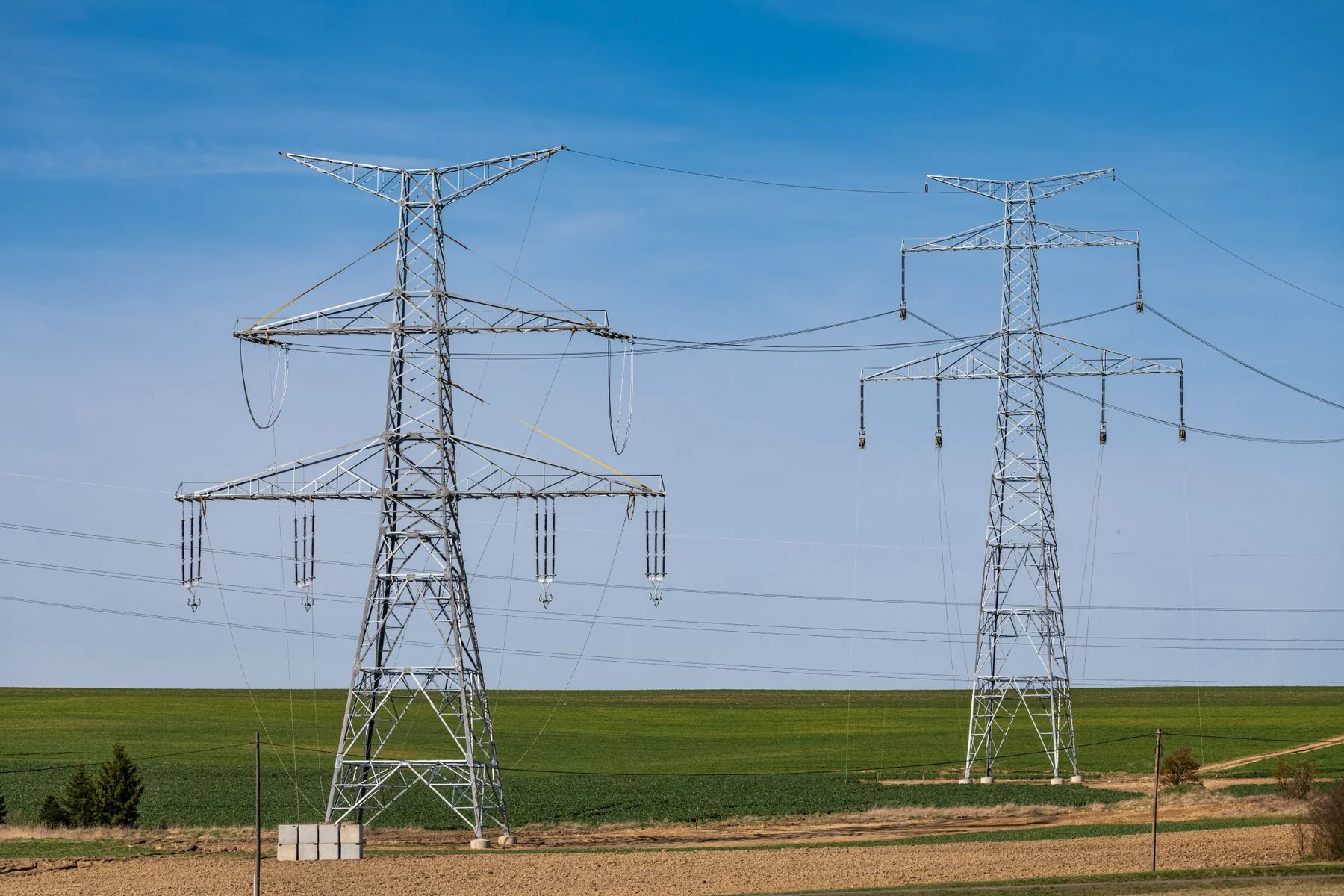
How is an extra-high-voltage transmission equipment package defined above 220kV?
Above 220kV, the supply package must be built from utility-approved drawings and calculations rather than a generic catalogue. It typically covers heavy tower steelwork, multi-bundle conductors, OPGW, long insulator strings, multi-bundle suspension and dead-end systems, electric-field control hardware, spacers and dampers, qualification testing, traceability and phased tower-coded delivery.
TYPICAL SYSTEM BASIS
220kV+ starting point.
The following values organize the first technical review. They do not replace the utility specification.
Voltage
Project-specific above 220kV
Equipment class
Utility-defined
Conductors
Multi-bundle system
Hardware
Drawing and calculation based
Qualification
Project test program
Delivery
Phased, route-coded
COORDINATED SUPPLY PACKAGE
Products matched as one line system.
Every group is checked against the same structures, conductors, insulation, equipment interfaces and approved project codes.
01
EHV tower & conductor system
Project-defined structures and multi-bundle phase systems.
Drawing-based heavy lattice towers and steelwork
Multi-bundle phase conductors
Earth wire and high-fiber-count OPGW
EHV tower attachments and fasteners
Foundation hardware where included
02
EHV strings & hardware
Assemblies engineered from approved line and electric-field data.
Long-rod, composite, glass or porcelain strings
Multi-bundle suspension and dead-end sets
Yokes, grading and corona-control hardware
Spacer dampers and vibration-control systems
Joints, repair systems and terminal hardware
03
Qualification & phased delivery
Evidence and logistics controlled at project level.
Utility-approved drawings and calculations
Prototype, type and routine test support
Material and batch traceability
Inspection and document registers
Tower-coded packing and phased export delivery
TYPICAL APPLICATIONS
Where this package is used.
01380kV, 400kV and utility-specific EHV projects
02National-grid backbone corridors
03Large generation evacuation projects
04Cross-region transmission routes
05Project-specific uprating and interconnection
TECHNICAL COORDINATION
Interfaces to close before final quotation.
01
Freeze approved drawings, loads, bundle geometry and electric-field requirements before manufacture.
02
Map every offered component to qualification evidence and the approved design family.
03
Control material, production batch, inspection and package traceability across multiple suppliers.
04
Plan prototype approval, production release and phased delivery as separate schedule gates.
RFQ INPUTS
Information the buyer should provide.
Unknown fields may be marked “to be confirmed,” but they should remain visible in the clarification list.
01Utility specification and approved design criteria
02Tower, string and hardware drawings
03Conductor bundle and electrical data
04Mechanical loads and environmental inputs
05OPGW and communication requirements
06Prototype/type/routine test program
07Document approval and inspection plan
08Route codes, delivery priorities and packing specification
STANDARDS & SPECIFICATIONS
Confirmed product by product.
IEC product-family standardsUtility-approved EHV specificationsProject-specific electric-field requirementsApproved prototype and type-test programMaterial traceability requirementsProject inspection and document procedures
Can an EHV project be quoted from a simple product list?
Only as an early budgetary indication. A reliable offer needs approved drawings, loads, conductor-bundle data, test requirements, quantities and the utility document procedure.
Can KOVYEL coordinate multiple qualified suppliers?
Yes. Product responsibility, design approval, test evidence, inspection status and packing traceability are separated item by item.
Does KOVYEL provide transmission-line construction?
No. The scope is equipment and material supply with technical, inspection, packing and export coordination. Site construction and grid connection are excluded.
READY TO REVIEW THE 220kV+ PROJECT?
Send the BOQ, drawings and technical specification.